top of page


20 NOVEMBER 2026
BENGALURU

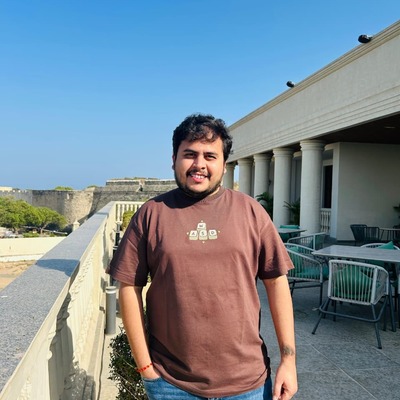
( SPEAKER )
Mahek Thaker
Senior Analyst Application Development
Cardinal Health
I’m Mahek Thaker, an Android developer at Cardinal Health with 5+ years of experience across healthcare, telecom, HR-tech, and product engineering teams. My work focuses on Kotlin, Jetpack Compose, SDKs, app stability, performance, and production Android architecture.
My roots in the Android custom ROM and XDA community. I’ve worked on Android device trees, custom ROM builds, and community tooling for devices like Lenovo A6000/Plus and ZUK Z2 Plus. That background still shapes how I approach Android today: verify platform behavior on real devices, read the source, and test assumptions instead of trusting folklore.
Lightning talk
Android Process Death Forensics: What Survives When Your App Gets Killed
Most Android apps save UI state, but very few can explain what happened after the process dies. SavedStateHandle can put the user back on a screen, but it does not tell you why the app died, what operation was interrupted, or whether the app should retry, recover, or ignore the previous session.
This session shows a practical postmortem pattern for Android process death. We will use SavedStateHandle for UI restoration, setProcessStateSummary as a tiny operation note, and ApplicationExitInfo as the death record read on next launch. Then we will compare that pattern against real device experiments: Recents swipe, am kill, SIGKILL, reboot, and lmkd memory pressure.
We will also connect this to Android 17 app memory limits, where some memory kills are reported as REASON_OTHER and the useful clue lives in ApplicationExitInfo.getDescription(). The goal is not to replace Crash analytics It is to add the domain-specific recovery state those tools cannot infer: what work died with the process, and what the app should do next.
Attendees will leave with a small implementation pattern they can add to existing apps and crash-reporting pipelines.
bottom of page